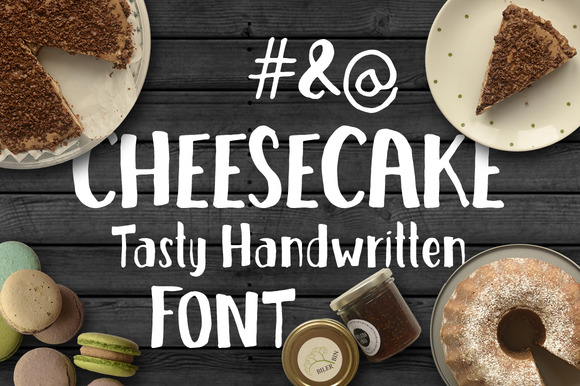
Cheesecake Font: A Handwritten Delight for Branding
Opening a fresh brand board one morning, I reached for Cheesecake, the handwritten font that promises to bring a touch of sweetness to any design. As I placed it on a logo draft for a boutique bakery, I immediately felt the charm and personality it could add. Cheesecake isn’t just a font; it’s an experience — crunchy, creamy, and full of character.
Cheesecake for Bakery Logos and Sweet Branding
Cheesecake as a display font is a perfect fit for branding projects that need a touch of warmth and approachability. When I tested it on a bakery logo concept, the handwritten style brought a sense of authenticity and comfort. It worked well with soft pastel colors and organic shapes, making the logo feel inviting and personal.
The visual characteristics of Cheesecake are what make it stand out. Each letter has a natural flow, reminiscent of someone writing with a pen on paper. This gives it a friendly, human feel that’s hard to achieve with more rigid typefaces. The mood is playful yet elegant, making it ideal for brands that want to communicate both creativity and professionalism.
Cheesecake in Packaging Design and Product Labels
Next, I tried placing Cheesecake on a packaging mockup for a line of artisanal cheeses. The font's handwritten nature added a unique flair to the labels, making them feel handcrafted and exclusive. It paired beautifully with minimalist layouts and subtle textures, enhancing the overall aesthetic without overwhelming the design.
When used on product labels, Cheesecake helps create a connection between the brand and its audience. It conveys a sense of care and attention to detail, which is crucial for niche markets like gourmet food or handmade goods. However, it’s important to note that Cheesecake may not be suitable for long body text due to its decorative nature. It works best as a headline or accent font, where it can shine without distracting from the message.
Cheesecake for Social Media Graphics and Website Headers
Testing Cheesecake on a social media layout for a local café, I found it to be a great match for eye-catching posts and promotional graphics. The font adds a touch of whimsy to captions and headlines, making the content more engaging and shareable. Its legibility at larger sizes made it a strong candidate for website headers and call-to-action buttons.
For web design, Cheesecake functions well as a display font, especially when used sparingly. Pairing it with a clean sans serif font for body text creates a balanced look that’s both modern and nostalgic. It’s also worth considering how the font performs across different screen sizes and devices before finalizing it for a client project.
Cheesecake in Business Cards and Print Materials
On a business card for a creative studio, Cheesecake added a memorable touch. The handwritten feel gave the card a personal edge, making it stand out in a sea of standard designs. It was especially effective when combined with a simple geometric background, allowing the font to take center stage.
However, when using Cheesecake for print materials, it’s essential to check the font’s resolution and scalability. While it looks great on digital screens, some handwritten fonts may lose clarity when printed in small sizes. Testing it on physical samples before mass production is always a good idea.
Cheesecake and Commercial Font Licensing
Before incorporating Cheesecake into any commercial project, it’s important to review the font licensing agreement. Whether you're designing for a client, creating templates, or launching a product line, ensuring that you have the right to use the font in all intended formats is crucial. Many premium fonts require specific licenses for web use, print, or multiple users, so double-checking these details can save time and avoid legal issues down the line.
Cheesecake is a versatile and expressive font that can elevate a wide range of branding projects. From logos and packaging to social media and print, it brings a unique charm that’s hard to replicate with other typefaces. As with any design tool, testing it in real-world scenarios will help determine its best applications and ensure it aligns with your brand’s voice and goals.